The North American wire and cable market is entering a period of significant change. AI data centers are increasing power and connectivity needs. Utilities are modernizing the grid. EV adoption is expanding charging infrastructure. Renewable energy projects require new electrical connections, while continued fiber investment is extending high-speed connectivity.
Together, these forces are changing more than how much wire and cable the market needs. They are changing what cables need to do and the materials manufacturers use to make them.
Through 2030, material selection will increasingly involve balancing thermal stability, electrical performance, flexibility, flame resistance, environmental durability, processability, and cost.
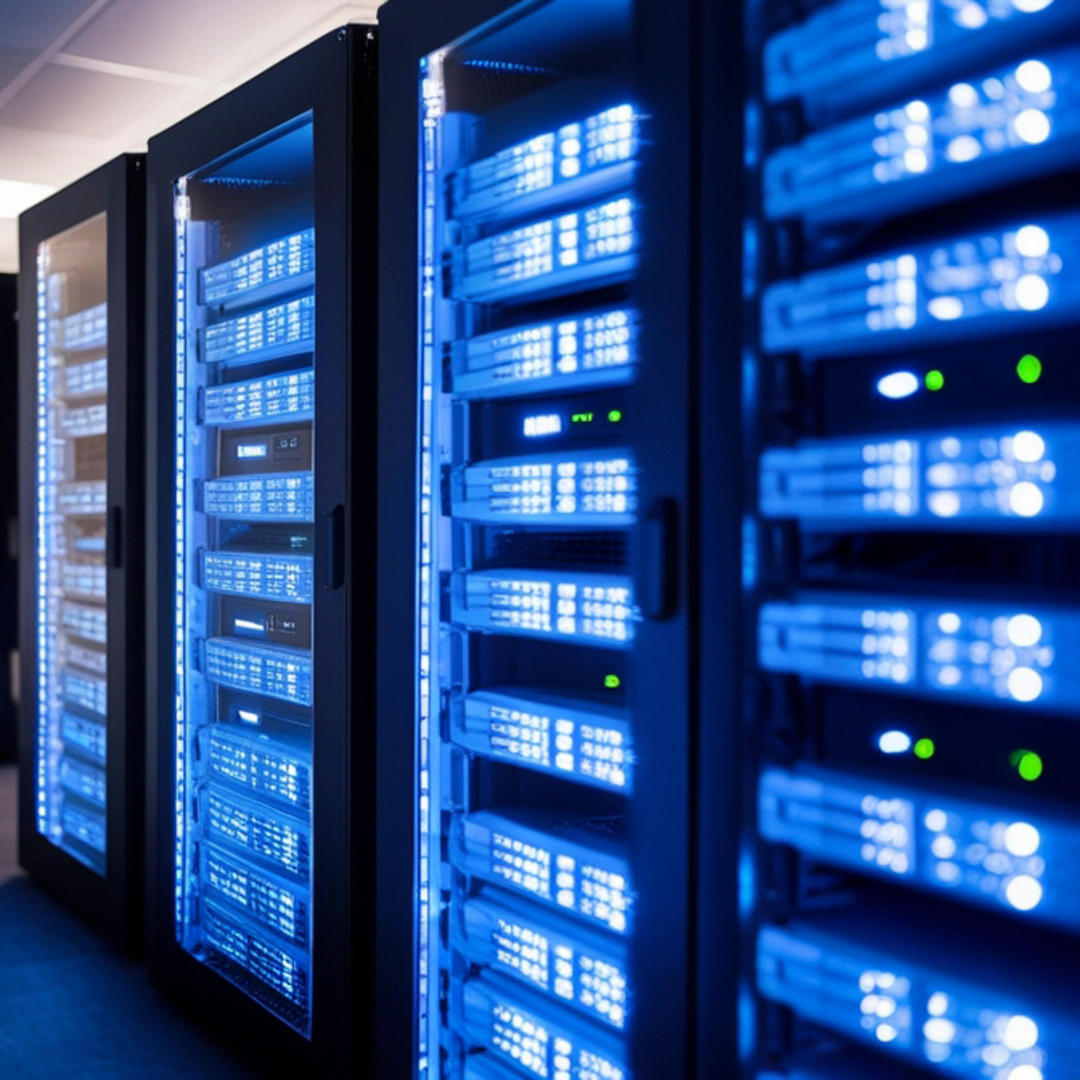
AI is driving investment in data center infrastructure capable of supporting greater computing and power loads. As rack densities increase, data centers require extensive networks of power, communications, and fiber cabling.
Denser infrastructure can create more demanding cable environments, putting greater emphasis on:
Depending on the cable construction, materials such as PVC, polyethylene (PE), thermoplastic elastomers (TPEs), thermoplastic polyurethane (TPU), polyamides, and specialized flame-retardant or low-smoke compounds can help address different insulation and jacketing requirements.
Key Takeaway: AI infrastructure is creating applications where thermal performance, flame resistance, flexibility, and reliability increasingly need to work together.
North America's electrical grid is being asked to support new loads from data centers, EVs, renewable energy, storage, and broader electrification, while aging transmission and distribution infrastructure requires ongoing modernization.
For power cable manufacturers, this reinforces the importance of materials designed for long service lives and challenging operating environments.
Important properties can include:
For infrastructure expected to remain in service for decades, manufacturers must consider not only whether a material meets the initial specification, but how it will perform after years of heat, moisture, environmental exposure, and mechanical stress.
Key Takeaway: Grid modernization makes long-term electrical and environmental reliability a critical part of material selection.
EV growth affects more than vehicle wiring. Charging stations and their supporting electrical infrastructure introduce additional wire and cable requirements.
Charging cables can present a unique materials challenge because they may need to provide electrical insulation while remaining flexible, durable, and easy to handle.
Depending on the charging system and environment, requirements can include:
Materials such as TPEs, TPVs, TPU, flexible PVC, and other specialty compounds can address different combinations of these requirements.
As charging power increases, thermal management can become another material consideration. The challenge is to improve performance without creating undesirable trade-offs. A highly durable jacket that becomes too stiff, for example, may reduce usability.
Key Takeaway: EV charging is pushing materials toward multifunctional performance, combining flexibility, durability, weatherability, and thermal and electrical requirements.
Wind, solar, and energy storage projects rely on extensive electrical infrastructure to collect, transmit, and manage power.
Many of these cables operate in harsh environments. Depending on the application, materials may need resistance to:
Because renewable installations are long-lived assets, initial material cost also needs to be weighed against lifecycle performance. A less expensive material provides little value if premature degradation leads to maintenance, downtime, or replacement.
Key Takeaway: Renewable energy makes designing for the actual operating environment and expected service life increasingly important.
Broadband expansion, fiber-to-the-home, data centers, industrial networks, and smart infrastructure continue to expand the physical network behind the digital economy.
Although ptical fiber carries information differently than copper conductors, fiber cable still depends heavily on polymers for protection.
Materials are used in components including:
Indoor installations may emphasize flame and smoke performance, while outdoor or underground applications can prioritize moisture resistance, mechanical protection, and weatherability.
Polyethylene, PVC, polyamides, and specialized flame-retardant or low-smoke materials can address different combinations of these requirements.
Key Takeaway: As fiber moves into more environments, application-specific material selection becomes more important, not less.
Through 2030, manufacturers will increasingly need to consider:
This makes early collaboration between cable manufacturers, material suppliers, distributors, and technical teams increasingly valuable.
Manufacturers can begin by defining the environment and performance requirements:
Answering those questions first makes it easier to narrow a broad range of polymers into the materials best suited to the application.
As performance requirements become more specialized, manufacturers don't necessarily need more resin choices. They need a clearer way to identify which choices fit the application.
Channel Prime Alliance works with manufacturers to evaluate engineered and commodity thermoplastic solutions based on factors such as flexibility, flame performance, environmental resistance, durability, processing, and cost.
The goal isn't to specify the most advanced material available. It's to find the right level of performance for the application and its economics.
As AI infrastructure, grid modernization, EV charging, renewable energy, and fiber networks expand through 2030, the materials behind wire and cable will need to evolve with them.
Talk with the Channel Prime Alliance team about material solutions for your next wire and cable application.
Browse other blog or news articles, right on our platform: