
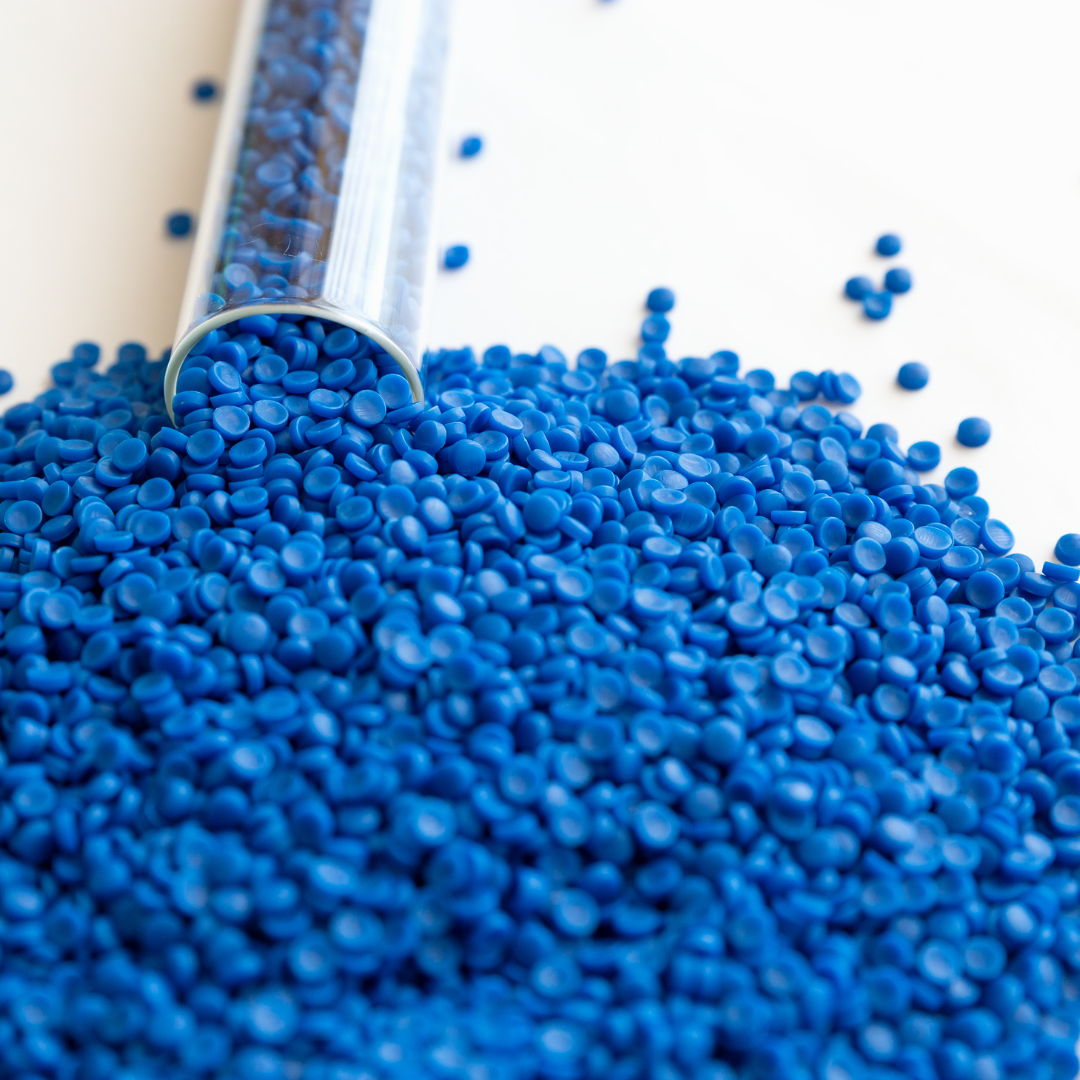
Why are Performance Modifiers Important in Plastic Compounding?
Modern plastics are expected to meet more demanding performance requirements, creating new challenges for manufacturers to:
- Improve impact resistance
- Increase flexibility
- Maintain stiffness
- Improve manufacturing efficiencies
- Incorporate recycled content
The challenge is these that goals can compete with one another, as formulations are optimized for impact performance buy may sacrifice stiffness, softer material can create processing challenges, and compounds with higher recycled content may experience compatibility issues.
Performance modifiers help compounder balance these competing requirements without completely redesigning formulations.
Key Takeaway: Performance modifiers are often used to improve overall formulation balance rather than maximize a single property.
What are the Biggest Challenges in Plastic Compounding?
Why does increasing toughness often reduce stiffness?
When compounders improve toughness, they often introduce materials that absorb impact energy more effectively. While this can improve durability and impact strength, it may also reduce modulus and decrease rigidity. As a result, compounders frequently need to balance:
- Impact resistance
- Stiffness
- Dimensional stability
The goal is rarely maximum toughness. The goal is to achieve the right toughness for the application while maintaining other critical properties.
Can a compound become more flexible without sacrificing processability?
Increasing flexibility is a common objective in plastic compounding. However, softer compounds can create challenges including:
- Changes in flow behavior
- Altered melt strength
- Processing variability
This is why modifier selection is often evaluated not only by final product performance but also by manufacturing performance. Successful formulations improve flexibility while maintaining efficient processing conditions.
Should formulations be optimized for manufacturing or end-use performance?
The answer is both.
Compounds that meet performance requirements but run poorly during production can increase costs and reduce efficiency. Likewise, compounds that process exceptionally well but fail product requirements create downstream risks. Performance modifiers help bridge this gap by supporting both processing and performance objectives.
How do Performance Modifiers Improve Plastic Compounds?
How Do You Choose the Right Performance Modifier?
Before selecting a modifier, compounders should define the problem they are trying to address by asking the following questions:
- What property gap exists: poor impact strength, limited flexibility, processing challenges, compatibility issues
- Which property can't be compromised?
- How will the modifier affect processing?
- Is recycled content incorporated?
- What defines success: successful formulations balance multiple requirements rather than maximizing a single property
Where Do Vistamaxx™ & Exact™ Fit Within Performance Modifier Materials?
Designing Smarter Plastic Compounds
Plastic compounding is increasingly about balancing trade-offs.
Manufacturers are challenged to improve toughness without sacrificing stiffness, increase flexibility without compromising processability, and incorporate recycled content without reducing performance.
Performance modifiers help compounders address these challenges by providing additional formulation flexibility.
Whether using polyolefin elastomers, POE plastic, plastomers, Exact™, or Vistamaxx™ technologies, the objective remains the same: developing plastic compounds that achieve the right balance of performance, manufacturability, sustainability, and cost.
The most successful compounds are rarely those that maximize a single property. They're the formulations that deliver the best overall balance for the intended application.
Related Blogs

Hungry for more inspiration?
Browse other blog or news articles, right on our platform:
