
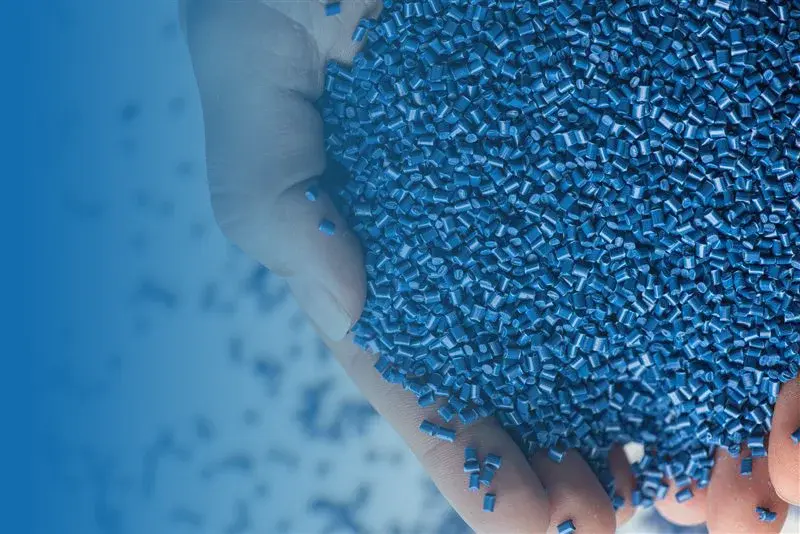
The Growing Interest in PCR Plastics and the Questions Holding Manufacturers Back
For many manufacturers, the interest in utilizing post-consumer recycled plastics (PCR plastics) isn't the challenge anymore. The concept now in question is determining whether it can truly replace virgin resin without introducing unrealistic risks in cost, quality, processing or supply reliability.
As sustainability requirements, customer and brand expectations, and recycled-content goals continue to grow, engineering and procurement teams are constantly considering PCR plastics as part of their material sourcing and manufacturing strategy. But some questions remain:
- Will product performance change?
- Is PCR resin consistent enough for production?
- Why does PCR plastic sometimes cost more than virgin resin?
- Which applications are best suited for recycled content?
This blog dives into what PCR plastics are, how it compares to virgin plastic, and what manufacturers should consider when evaluating potential use.
What is PCR Plastic?
What makes PCR Plastics Different?
Post-consumer plastic (PCR plastic) is produced from finished plastic products that have completed their intended use lifecycle and entered the recycling stream.
Common applications include:
- Food containers
- Household packaging
- Caps and closures
- Consumer goods packaging
- Industrial packaging
Does PCR Perform Like Standard Resin?
Acknowledge the Reality
One of the biggest misconceptions about recycled polypropylene is that it performs poorly compared to virgin materials.
However, modern recycling technologies, sorting systems, and compounding processes have significantly improved the consistency and performance of recycled resins.
With current manufacturing improvements, PCR materials are not a one-for-one material replacement for every application.
Performance Depends on Application Requirements
Ideal applications for PCR materials include:
- Storage containers
- Industrial pails
- Pallets
- Crates
- Consumer goods packaging
- Food/bottle packaging (FDA grades available)
Key Takeaway: The question is not "Is PCR as good as virgin resin?" but more "Does PCR plastic meet the performance requirements of this specific application?"
Why PCR Plastics May Cost More Than Standard Resins
Common Question: If recycled material comes from waste streams/used products, why is it more expensive?
Driving Factors of PCR Costs
1) Manufacturing Infrastructure
PCR materials require an in-depth collecting and processing infrastructure in order to provide quality recycled products for high-quality applications. PCR materials require:
-Collection
-Sorting
-Cleaning
-Reprocessing
-Quality control
2) Supply & Demand Imbalances
Overall demand for high-quality PCR materials regularly exceeds available supply in the market. On top of the natural demand increase, many major brands across a wide range of markets have publicly committed to increasing recycled content, which generates additional competition for available materials.
3) Regulatory and Brand Commitments
Some manufacturers use PCR products to meet various factors:
-Customer expectations
-Brand/OEM requirements
-Sustainability commitments
-Recycled-content percentage targets in finished goods
Key Takeaway: PCR polypropylene is not always more expensive. Depending on virgin resin pricing conditions, feedstock availability, and supply agreements, PCR plastics can become a more cost competitive option than it has been previously.
Supply Chain Concerns: Is PCR Reliable?
Historical Challenges
In the past, recycled material solutions faced concerns around inconsistent quality and performance in products, variables in color and lot to lot consistency, limited/unpredictable availability, and inefficient documentation/traceability.
How the Market Has Evolved
Today’s leading PCR manufacturers are helping address those concerns through greater investment in recycling infrastructure, material testing, quality management, traceability, and pellet consistency. Blue Polymers, a joint venture between Republic Services and Ravago Manufacturing Americas, is one example of this shift, with added focus on improving feedstock consistency and delivering more reliable lot-to-lot performance.
Questions Manufacturers Should Ask Suppliers
- What feedstocks are used?
- How is material consistency monitored?
- What testing is performed?
- Are there FDA-compliant grades available?
- What long-term supply capabilities are available?
These types of questions can position your procurement and engineering teams to be more informed in their material selection decisions to ensure receiving quality, long-term PCR solutions.
Why Adoption Is Accelerating
With PCR materials becoming part of the regular material sourcing conversation, sustainability is no longer the only key driver. Today's manufacturers are looking at PCR plastics to meet a variety of business goals:
- Customer Requirements
- Regulatory Pressures
- Competitive Differentiation
- Future-Proofing Material Strategies
The Right Question Isn't "Standard Resins vs. PCR": It's "Fit for Purpose"
PCR plastics are now a key material consideration during the procurement process to not only meet sustainability requirements but exceed brand and consumer expectations primarily in the packaging industry.
It is important to evaluate PCR materials the same as virgin resins by questioning:
- Application requirements
- Product performance & branding expectations
- Supply reliability
- total cost considerations
Manufacturing companies that take these factors into consideration can find quality PCR solutions that fit specific business needs and values.
