Why Resin Selection Drives Packaging Performance
In rigid packaging, performance challenges don't start at the filling line; it starts much earlier with proper plastic resin selection.
Whether the finished product is being used for food packaging, consumer goods, or industrial containers, plastic resin choices directly influence the final product's overall:
- Durability and protection capabilities
- Processing efficiency
- Cost structure
- Sustainability considerations
Today's manufacturers, OEMs, brand owners are experiencing increased expectations to offer:
- Cost-effective solutions
- Improve product performance and consistency
- Alignment with post-consumer recycled packaging content goals
- Sufficient production at scale
These consideration factors are why polypropylene (PP) and polyethylene (PE) plastics are two of the most widely selected materials in packaging applications.
What is Rigid Plastic Packaging?
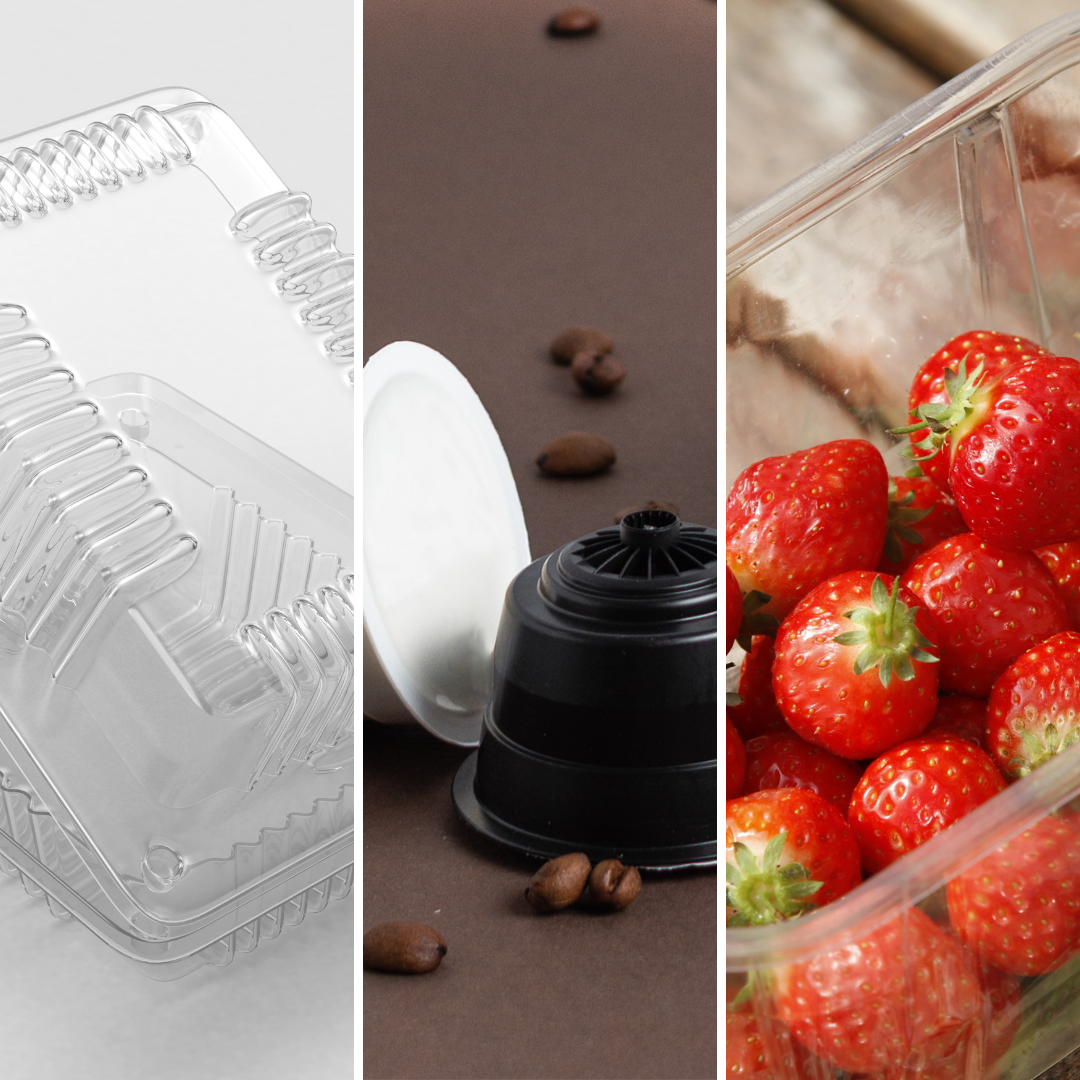
Rigid packaging includes packaging products designed to maintain their shape and structure, even when the product is empty. A few examples of rigid packaging include:
- Food & Beverage: to-go containers, drinking bottles, caps & closures
- Personal Care: shampoo/conditioner bottles, cosmetic packaging
- Household Goods: cleaning solution bottles, detergent bottles
- Industrial: pails, drums, pallets/crates
Rigid packaging products play a key role in the protection of goods, maintaining shelf-life, supporting branding/imaging, and overall functionality in environments ranging from store shelves to transporation conditions.
Overview of PP and PE in Packaging
Polypropylene (PP)
Polypropylene (PP) plastic is known for its optimal balance of strength, chemical resistance, and temperature performance. Polypropylene plastic is commonly used in products such as:
- Caps & closures
- Food containers
- Medical packaging
- Consumer goods packaging
Polyethylene (PE)
Polyethylene (PE) plastic is categorized into different PE material groups, HDPE and LDPE. For rigid packaging applications, HDPE plastic is known for its impact resilience, flexibility, and ease of processing. These materials are primarily used in:
- Bottles
- Containers
- Household product packaging
- Industrial containers
Both resins provide many benefits for their specific use in the rigid packaging space, so it is important for engineering, procurement, and R&D teams to understand how they differ when making resin selections.
Key Performance Considerations
When comparing PP and PE plastics, manufacturers must evaluate the materials based on the specific application requirements and performance expectations.
Processing Considerations
Molding Behavior
- PP: Usually easy to process and forgiving in molding environments
- PE: May require tighter processing parameters but offers benefits in part stiffness and consistency
Cycle Times
- Processing characteristics of molding can influence cycle times depending on part design and tooling
- Small differences in cycle times can greatly impact production costs at scale
Manufacturing Compatibility
- PP and PE are used primarily in injection molding, blow molding, and extrusion. However, the optimal material selection will rely on equipment setup, part design, and the overall production goals and expectations.
Tradeoffs to Evaluate
When selecting between PP and PE, it is important to keep in mind the following tradeoffs between the two resins:
Applications: When to Use PP or PE
PP: Rigid containers, hot-fill or higher temperature applications, caps & closures, food packaging components
PE: Bottles/containers, impact-heavy environments, squeeze-related applications, industrial packaging products
Making Smarter Resin Decisions Early
When evaluating PP and PE for rigid packaging products, manufacturers need to question several factors when it comes to the application's performance standards, processing capabilities, and cost structures. By evaluating these considerations early in the material selection process, manufacturers can offer a product with ideal performance and cost options to their partners, brand owners, and OEMs.
At Channel Prime Alliance, we support customers in navigating the material selection process with solutions from dedicated PP and PE suppliers like ExxonMobil, Braskem, and others in our portfolio.